African Plains Tile Puzzle

Reviews
Description
Pairing Tiles on the Savanna
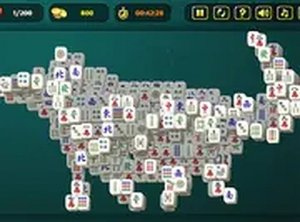
African Plains Tile Puzzle follows standard mahjong solitaire rules. You select two identical tiles that are free on at least one side and remove them from the board. The challenge lies in spotting available pairs among layered layouts. Because only unblocked tiles can be chosen, each board demands careful observation before you commit to a match.
Wildlife Symbols and Warm Backdrops
Tiles display symbols drawn from African wildlife: elephants, giraffes, and acacia trees appear alongside other savanna-inspired icons. Backgrounds show wide grasslands and golden sunsets. Earthy tones with bright accents keep each board visually distinct. This thematic skin gives the classic puzzle a fresh identity compared to traditional Chinese-style mahjong sets.
Board Shapes and Natural Difficulty Curve
Layouts range from simple rectangles to more complex patterns. Completing boards unlocks new arrangements, gradually increasing difficulty. There is no strict order, so you can revisit earlier boards whenever you like. The progression lets you build confidence before tackling tougher shapes.
Hints, Shuffles, and a Forgiving Approach
When no matches are visible, the hint function highlights a valid pair. The shuffle option rearranges all tiles, which can reveal new opportunities. Both tools are available without penalty, and the game does not punish mistakes. Experimenting with different approaches is part of the experience.
Audio and Platform Notes
Soft instrumental melodies play alongside occasional nature sounds like bird calls and rustling leaves. Matching sounds are subtle and satisfying. Volume settings for music and effects can be adjusted independently. The game runs on desktop browsers and mobile devices, with responsive touch controls and an interface that scales to different screen sizes. No account or internet connection is required for basic play.
Compatibility
Faq
Comments
Sign in to comment
You must be logged in before posting a review or rating.
No comments yet. Be the first to comment!





Editorial Notes