Twin Paths: Labyrinth Escape
Reviews
Description
Partners in the Maze
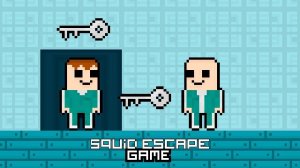
Twin Paths: Labyrinth Escape is built around a single rule: neither player can finish alone. Two participants share one objective—locate each other inside a shifting network of corridors and chambers, then reach the exit as a pair. No map is provided. Each player sees only their own surroundings, so progress depends on describing what you see, agreeing on meeting points, and moving in sync. Every locked door demands both characters present at the same time. That constraint turns each session into a live exercise in clear speech and mutual awareness.
Tokens, Keys, and the Final Gate
Scattered through the labyrinth are geometric tokens—circles, triangles, and squares—that must be collected before the final gate will open. Each token sits in a distinct area, often behind a simple puzzle or at the end of a narrow passage. Once every token is gathered, two special keys appear in separate locations. Players briefly split up to retrieve them, then reunite to unlock the exit. This collection system supplies short-term goals inside the larger escape objective.
Thorns and Spatial Reasoning
Patches of thorny growth cover parts of the maze floor. They slow movement and force detours. Because players cannot jump over them, they must plan alternate routes or wait for a partner to clear a blocked passage. The thorns are static, but their placement in narrow corridors adds a layer of spatial reasoning without introducing violence or danger. The obstacle design keeps the experience appropriate for all ages.
Visual and Audio Cues
The game uses a clean, geometric art style with muted colors and soft lighting. Iron walls carry subtle patterns, and floor tiles shift slightly to indicate hidden areas. Ambient sounds—distant echoes, creaking metal, soft footsteps—create a calm but focused atmosphere. No music plays during gameplay, which encourages players to rely on voice communication. The interface stays minimal, showing only a small indicator of each player's relative position.
Session Structure and Replayability
Each playthrough generates a new maze layout, so no two escapes are identical. The number of tokens and key locations vary, preventing players from memorizing a single solution. A typical session lasts 15 to 30 minutes, depending on communication speed and puzzle-solving efficiency. The game tracks completion time and token collection rate, offering a simple score at the end. Families can replay to improve their time or test different strategies.
Safety and Accessibility
Twin Paths: Labyrinth Escape contains no violence, no timed pressure, and no competitive elements. The only failure condition is losing visual contact with a partner, which resets the run to the start. That mechanic rewards patience and careful movement rather than speed. Controls are limited to movement and interaction, making the game accessible to young children and adults alike. No reading or language skills are required to play.
Compatibility
Faq
Comments
Sign in to comment
You must be logged in before posting a review or rating.
No comments yet. Be the first to comment!





Editorial Notes